How Fireproof Is Your Plan?
Preparation isn’t just about cleaning up around the house and having a bush fire survival plan.
It’s also about making sure you consider your physical, mental and emotional preparedness.
Four Simple Steps
STEP 1
DISCUSS WHAT TO DO IF A BUSH FIRE THREATENS YOUR HOME
Many households find that having a discussion over dinner works best as everybody is together and focussed.
STEP 2
PREPARE YOUR HOME AND GET IT READY FOR BUSH FIRE SEASON
There are simple things you can do around your home to prepare it for a bush fire, like keeping the grass low and having a cleared area around your home.
STEP 3
KNOW THE BUSH FIRE ALERT LEVELS
If there is a fire in your area you will find its alert level on the NSW RFS website and in the ‘Fires Near Me’ app. You need to keep track of the alert level so you know what you should do.
STEP 4
KEEP ALL THE BUSH FIRE INFORMATION NUMBERS, WEBSITES AND THE SMARTPHONE APP
In a bush fire, it’s important that you stay up to date on conditions in your area.
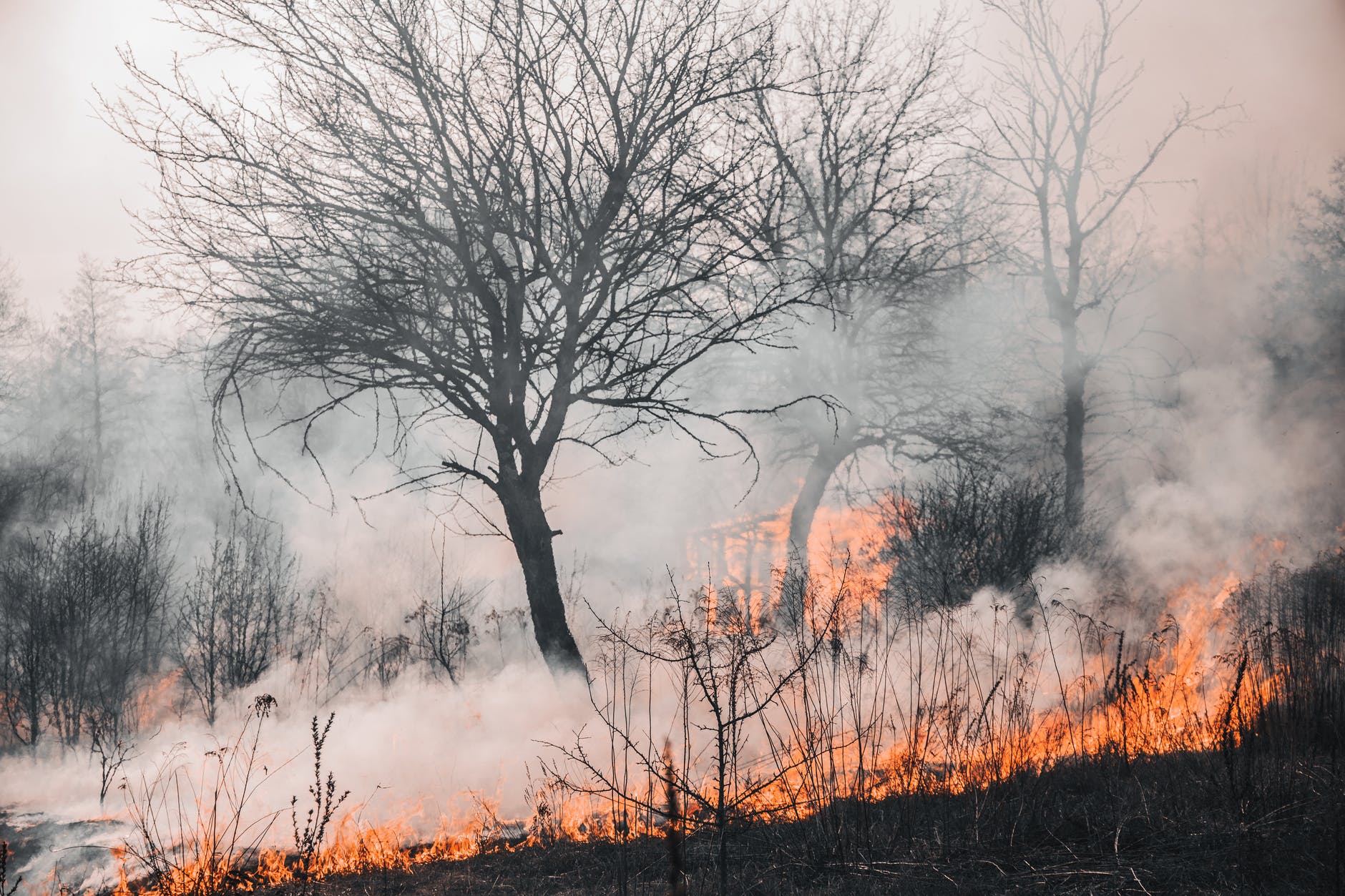
A bush fire can be a terrifying situation. Strong gusty winds, intense heat and flames will make you tired quickly. Thick heavy smoke will sting your eyes and choke your lungs. It will be difficult to see and breathe.
The roaring sound of the fire approaching could be frightening. Embers will rain down, causing spots fires all around you. Power and water may be cut off. You may be isolated, and it will be dark, noisy and extremely demanding both mentally and physically.
If you have any doubts about your ability to cope, you should plan to leave early, well before a fire reaches your area and well before you are under threat.
Discuss with your family what you’ll do during a bush fire, you could save their lives, as well as your home.
Lakesland Rural Fire Brigade
Views expressed on this website do not necessarily represent those of the NSW Rural Fire Service.
During an emergency, do not rely on information placed on this site, please reference the NSW RFS website at www.rfs.nsw.gov.au, or call 1800 NSW RFS for emergency information. This site is not monitored 24/7.
 Lakesland Rural Fire Brigade